© 2020-2022 The Global Program for Nature-Based Solutions for Climate Resilience. All Rights Reserved.

The Knowledge Hub
Welcome to our Knowledge Hub! Here you will find an ever-growing collection of the latest reports, case studies, and other knowledge products that can guide and inform the development of nature-based solutions projects. Feel free to browse through our selection of knowledge products below.
- Featured
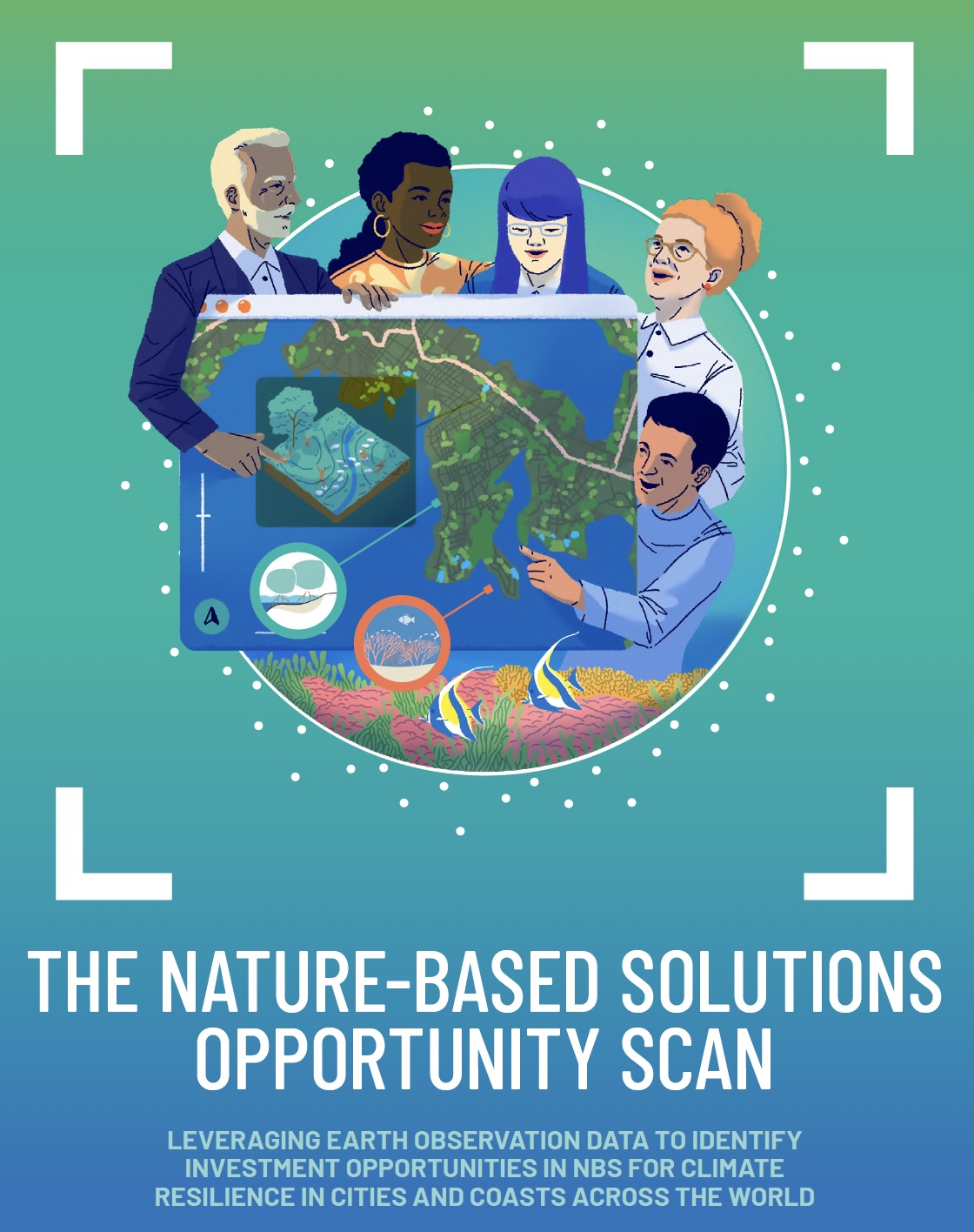 Access to actionable information that outlines opportunities for nature-based solutions (NBS) investments at early stages of project design is essential for enabling the scale up of these solutions, which can effectively reduce climate risks, while bringing important socioeconomic benefits. This report summarizes how the Nature-Based Solutions Opportunity Scan (NBSOS) can support the World Bank, its clients, and development partners to identify NBS investment opportunities, understand the associated benefits, and integrate these interventions into projects.Published
June 16, 2024 - Featured
 This document aims to guide the design, implementation, and use of studies to value the benefits and costs of Nature-Based Solutions for climate resilience projects.Published
May 18, 2023 - Featured
 This report provides guidance on gender and social inclusion in NBS.Published
June 6, 2023 - Featured
 The catalogue aims to lay out the options for NBS contributing to resilience in cities, allowing for a primary identification of potential investments. It contains design drawings, good practice examples, implementation considerations, and background material for all main types of urban NBSPublished
November 16, 2022 - Featured
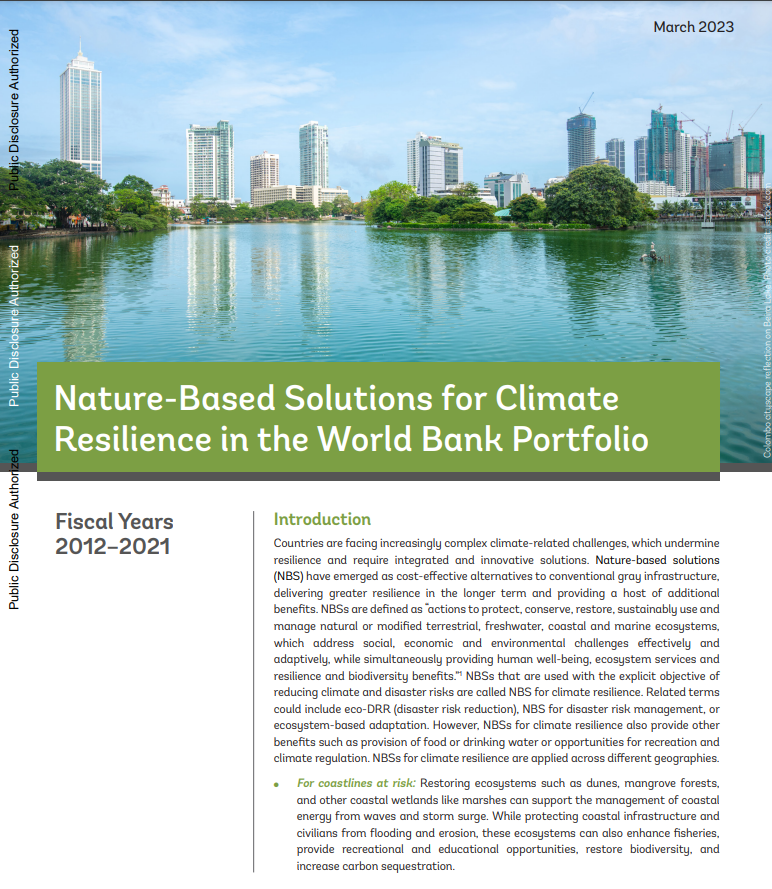 As GPNBS scales-up its effort to provide targeted support to
World Bank task teams and clients, monitoring and tracking
the NBS footprint in the World Bank’s portfolio will remain a
key tool. This paper aims to inform World Bank and GFDRR
leadership, donors, clients, and the global community on the
World Bank’s progress in mainstreaming NBS for climate
resilience, and to inform decisions on targeting capacity
building efforts and technical support to operationsPublished
March 29, 2023 - Featured
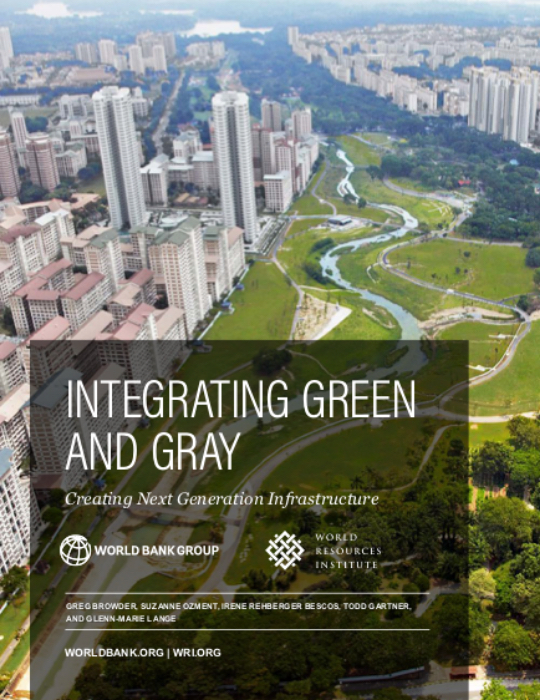 This report guides developing country service providers and their partners on how to seize this opportunity. It reviews approaches and examples of how to integrate green infrastructure into mainstream project appraisal processes and investments.Published
November 4, 2022

 This report provides a cost-benefit analysis of a Government of Indonesia plan to use nature based solutions to restore or enhance the protection of 600,000 ha of mangroves by 2025.
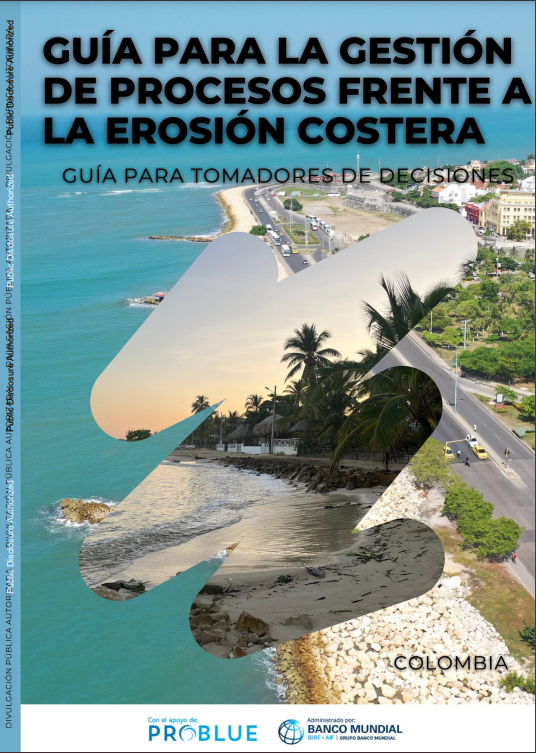 This document is divided into two sections. The first section explores technical aspects related to sediment transport and coastal erosion, including the context in Colombia, economic aspects, and the integration of gender equality and social inclusion for better governance. The methodological section outlines a detailed and adaptive process for addressing coastal erosion through a project lifecycle approach, with annexes providing additional detailed information.
-
Access to actionable information that outlines opportunities for nature-based solutions (NBS) investments at early stages of project design is essential for enabling the scale up of these solutions, which can effectively reduce climate risks, while bringing important socioeconomic benefits. This report summarizes how the Nature-Based Solutions Opportunity Scan (NBSOS) can support the World Bank, its clients, and development partners to identify NBS investment opportunities, understand the associated benefits, and integrate these interventions into projects.
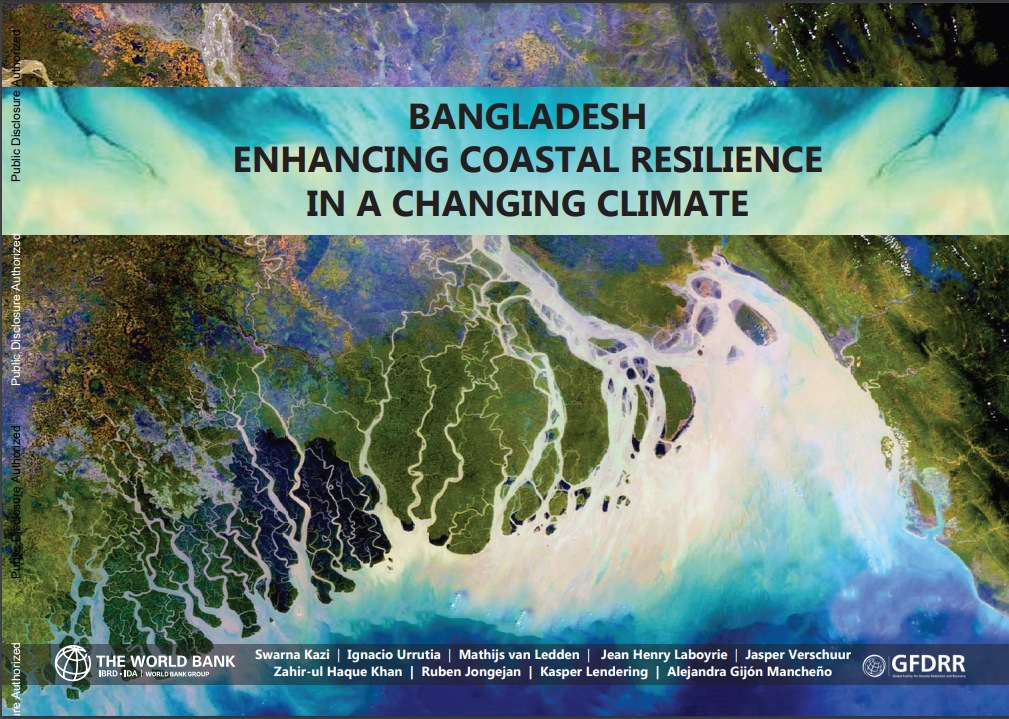 The report provides evidence of the drivers of risks in Bangladesh’s coastal zone, analyzes what has been achieved so far in reducing these risks, and reviews the lessons learned from these achievements.
 The report compares the costs and benefits of mangrove restoration and conservation using a nation-wide spatial cost-benefit analysis (CBA).
Who We Are