© 2020-2022 The Global Program for Nature-Based Solutions for Climate Resilience. All Rights Reserved.

The Knowledge Hub
Welcome to our Knowledge Hub! Here you will find an ever-growing collection of the latest reports, case studies, and other knowledge products that can guide and inform the development of nature-based solutions projects. Feel free to browse through our selection of knowledge products below.
- Featured
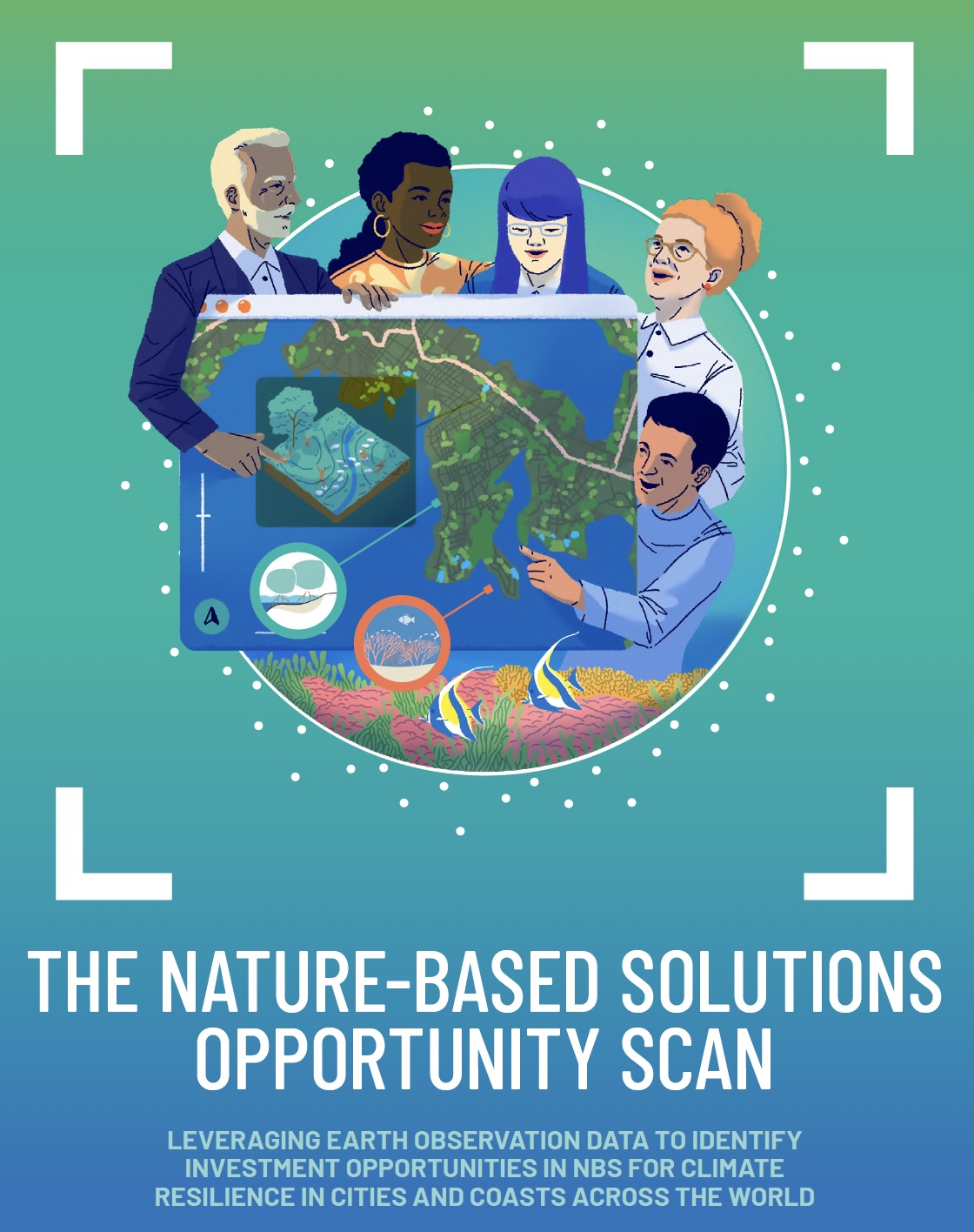 Access to actionable information that outlines opportunities for nature-based solutions (NBS) investments at early stages of project design is essential for enabling the scale up of these solutions, which can effectively reduce climate risks, while bringing important socioeconomic benefits. This report summarizes how the Nature-Based Solutions Opportunity Scan (NBSOS) can support the World Bank, its clients, and development partners to identify NBS investment opportunities, understand the associated benefits, and integrate these interventions into projects.Published
June 16, 2024 - Featured
 This document aims to guide the design, implementation, and use of studies to value the benefits and costs of Nature-Based Solutions for climate resilience projects.Published
May 18, 2023 - Featured
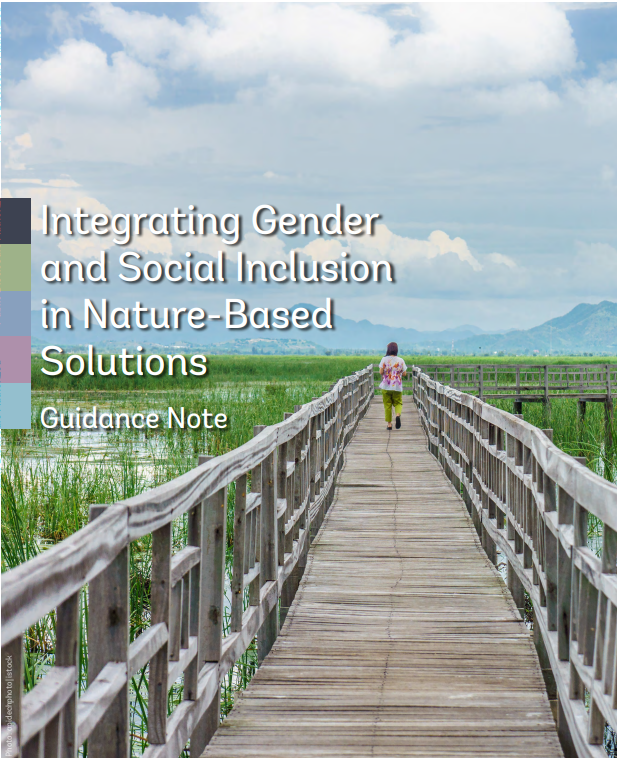 This report provides guidance on gender and social inclusion in NBS.Published
June 6, 2023 - Featured
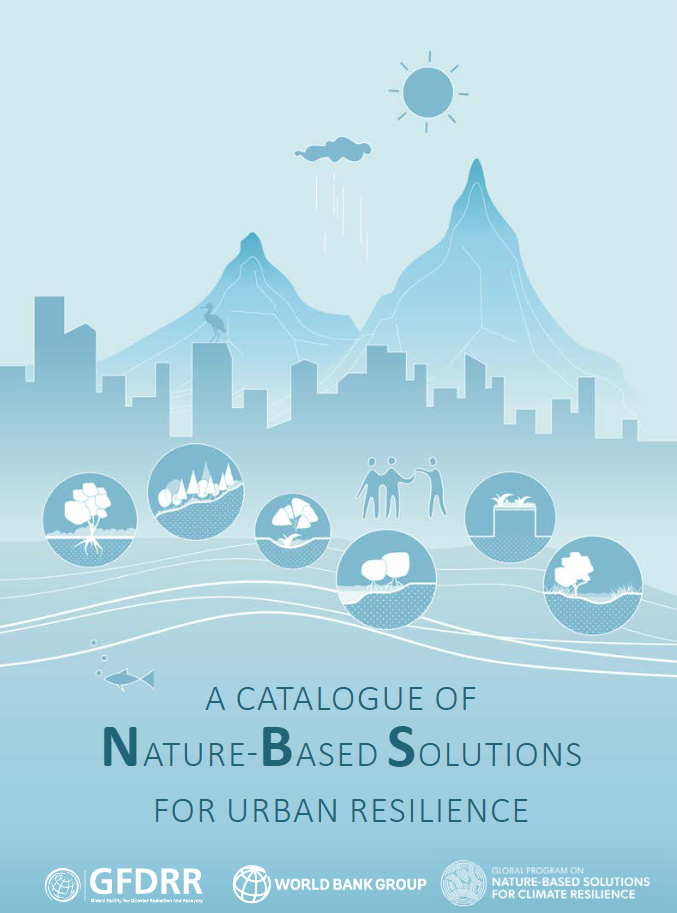 The catalogue aims to lay out the options for NBS contributing to resilience in cities, allowing for a primary identification of potential investments. It contains design drawings, good practice examples, implementation considerations, and background material for all main types of urban NBSPublished
November 16, 2022 - Featured
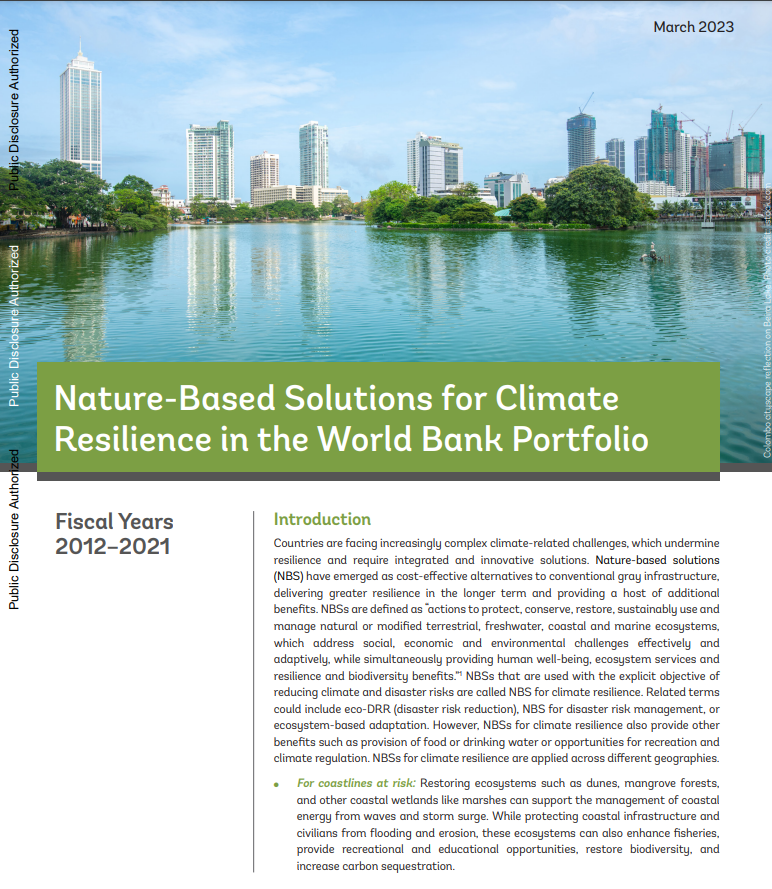 As GPNBS scales-up its effort to provide targeted support to
World Bank task teams and clients, monitoring and tracking
the NBS footprint in the World Bank’s portfolio will remain a
key tool. This paper aims to inform World Bank and GFDRR
leadership, donors, clients, and the global community on the
World Bank’s progress in mainstreaming NBS for climate
resilience, and to inform decisions on targeting capacity
building efforts and technical support to operationsPublished
March 29, 2023 - Featured
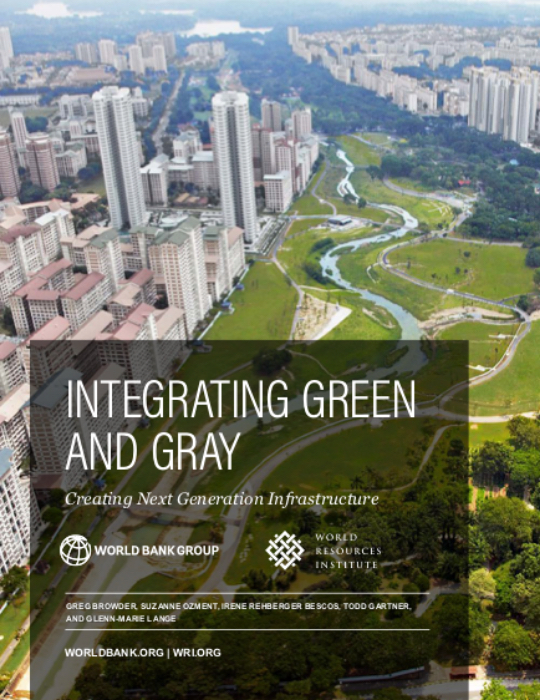 This report guides developing country service providers and their partners on how to seize this opportunity. It reviews approaches and examples of how to integrate green infrastructure into mainstream project appraisal processes and investments.Published
November 4, 2022

 This report provides a cost-benefit analysis of a Government of Indonesia plan to use nature based solutions to restore or enhance the protection of 600,000 ha of mangroves by 2025.
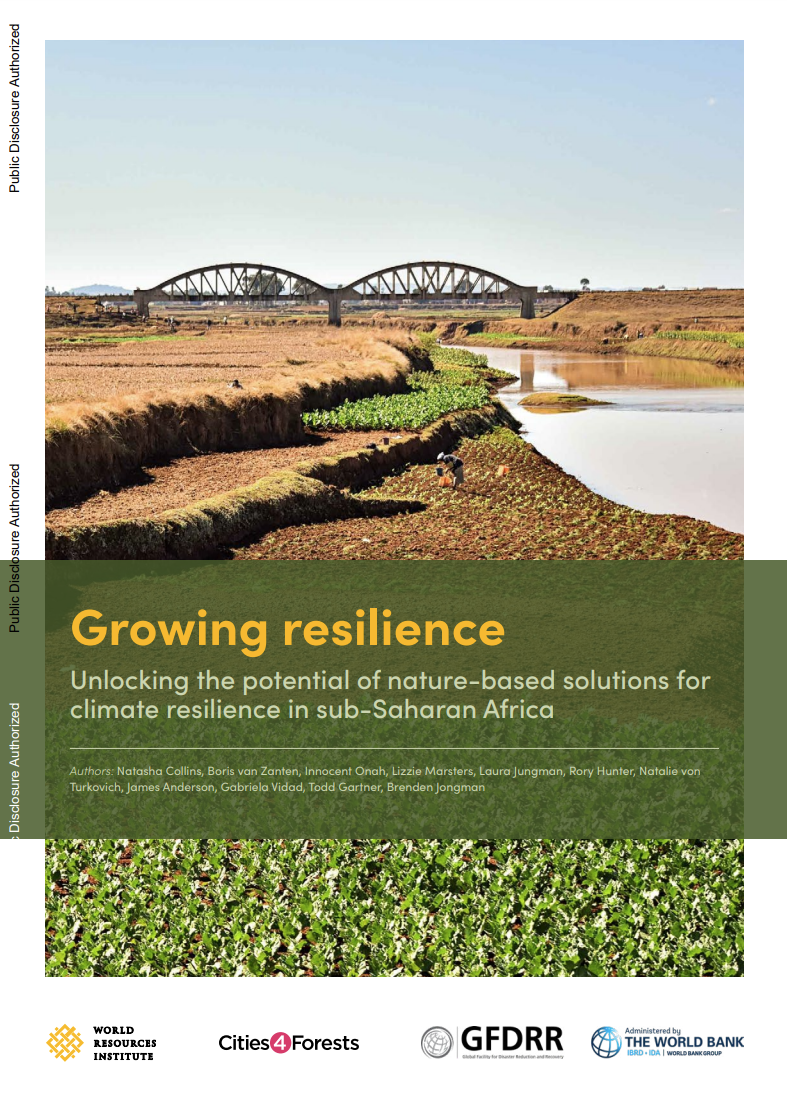 This report aims to identify strategic actions to increase investment in nature-based solutions (NBS) for climate resilience in sub-Saharan Africa by evaluating over a decade of NBS project investment and assessing a range of policy, financial, institutional, social, and technical barriers to adoption. It examines historical and projected data for climate hazards in the region to provide background on the challenges the region faces. To establish a baseline of the status of NBS in the region and evaluate the types of projects being implemented, this report presents an inventory of NBS projects from across the region that were initiated between 2012 and 2023. In addition, the team conducted over 50 interviews with project developers, funders, and investors of NBS projects in sub-Saharan Africa to gain insights on the key barriers to NBS project investment and implementation. This report synthesizes results from the analysis and interviews to offer targeted recommendations for how actors such as governments and multilateral organizations can effectively scale up NBS in the region.
 This CCDR highlights how climate action offers an opportunity to safeguard development gains and accompany the ambitious transformation Senegal is embarking on to achieve its objective of reaching middle income status in the next decade. It notes NBS opportunities in Greater Dakar, which were identified through GPNBS' NBS Opportunity Scan.
 This regional Country Climate and Development Report (CCDR) focuses on four countries of the 11‑member Organization of Eastern Caribbean States (OECS) and identifies opportunities for these countries to increase cliamte resilience, including through the application of NBS.
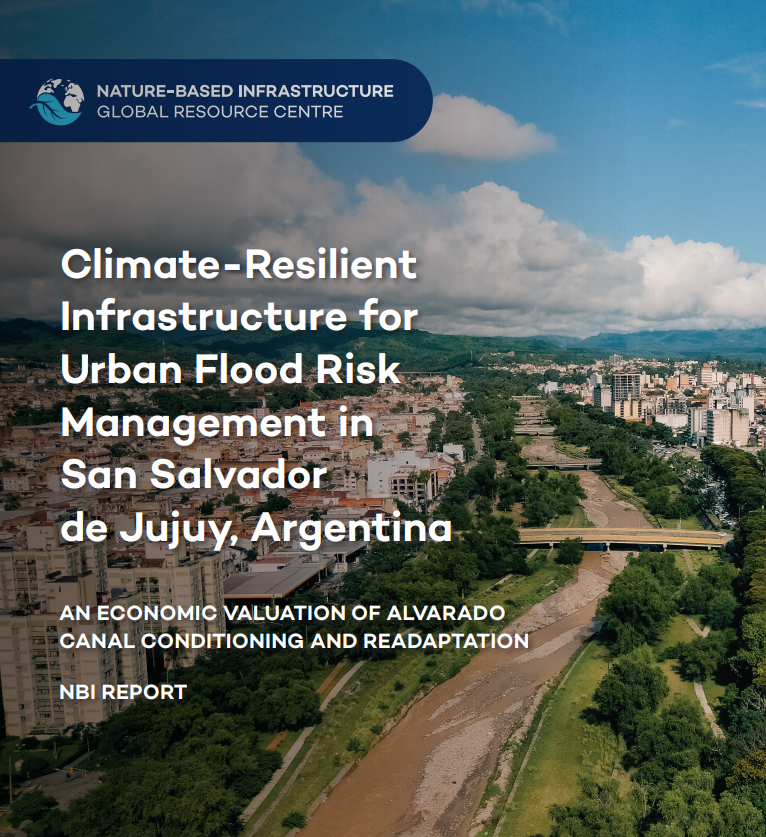 Climate-Resilient Infrastructure for Urban Flood Risk Management in San Salvador de Jujuy, ArgentinaThis report showcases an economic assessment conducted by the Municipalidad de San Salvador de Jujuy, the Ministerio de Obras Públicas de Argentina, and the World Bank on different methods to restore the Alvarado Canal, including nature-based infrastructure.
Who We Are