Nature-based solutions (NBS) can deliver more resilient infrastructure and involve integrated approaches to address development challenges. NBS can include different types of interventions, for example:
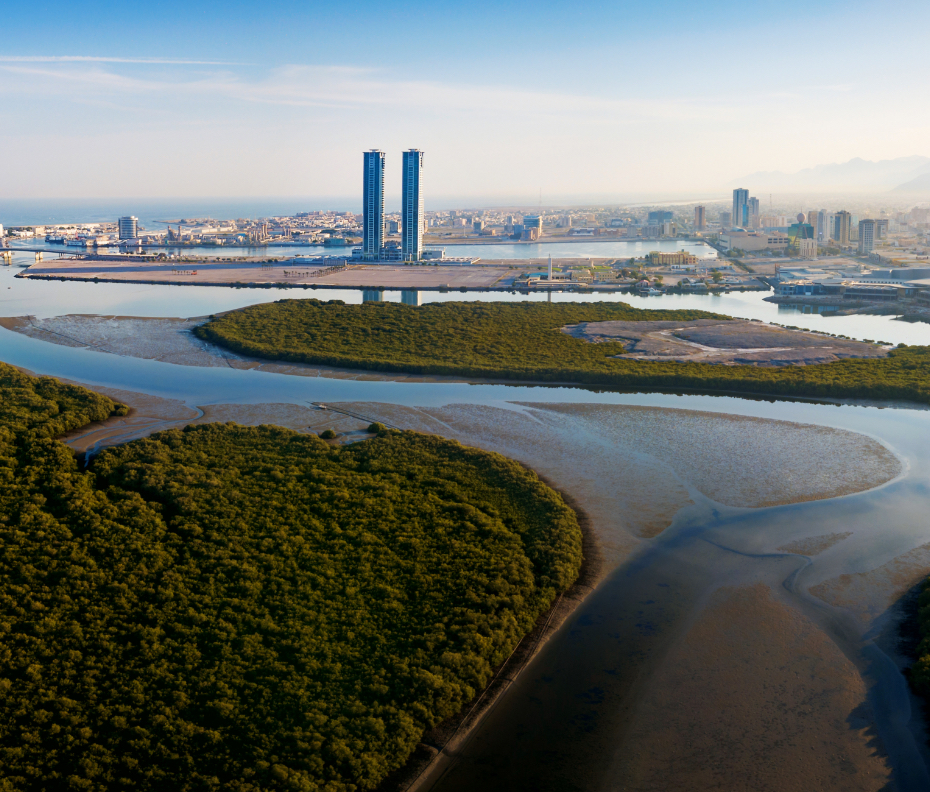
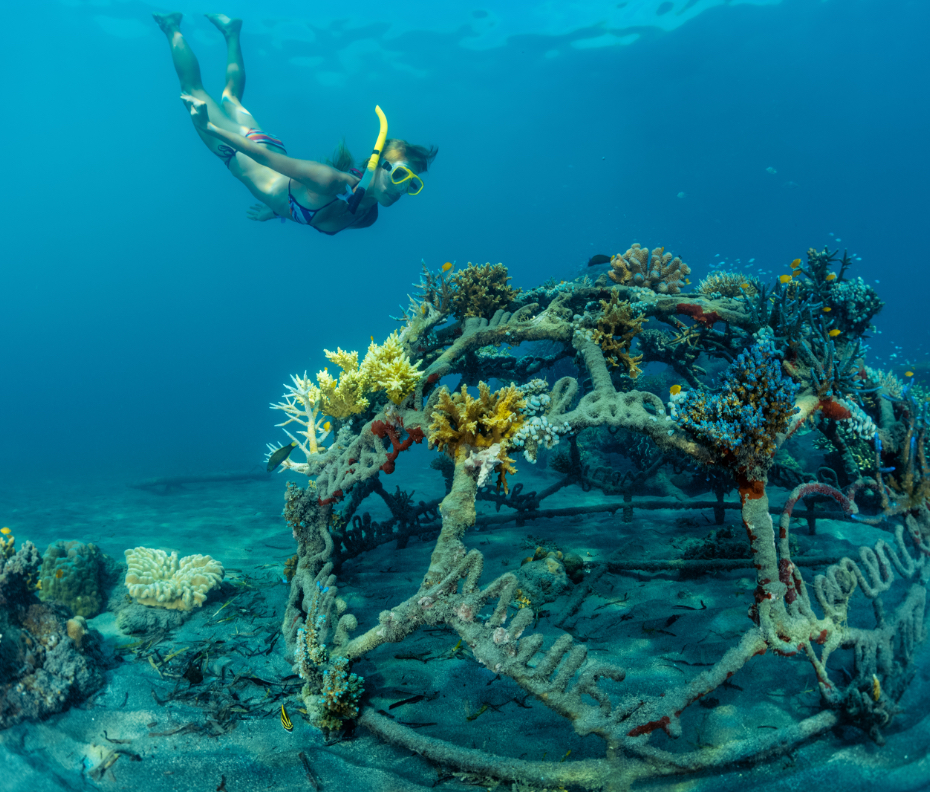
- For coastlines at risk, restoring and protecting ecosystems such as mangrove swamps, coral reefs and marshes can reduce the energy and impact of waves and storm surge, while also enhancing fisheries, restoring biodiversity, and increasing carbon sequestration.
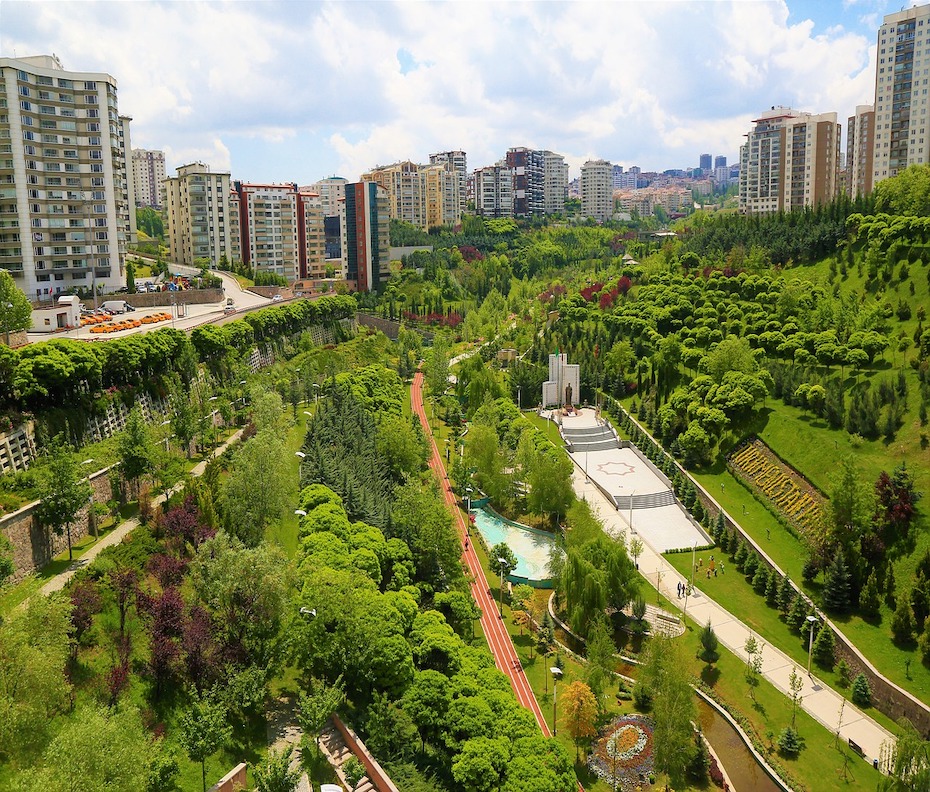
- In cities, wetlands, increasing urban tree canopy, green roofs, or nature-based stormwater systems can alleviate flooding from heavy rains, improve water and air quality, reduce urban heat-island effects, and enhance ecological corridors for biodiversity.
- Restoring and managing watersheds and rivers can regulate water flows and improve water quality and quantity, ensuring water resources and services are protected.
- In mountains, forests and other bioengineering approaches can help to increase slope stability and reduce shallow landslides through increasing soil strength and structure and reducing water yield, erosion, and sedimentation.
By protecting, managing, and/or restoring natural systems, NBS can address multiple sustainable development goals, such as climate and disaster-risk resilience; economic and social prosperity; water security; and health and food security. Investments in these kinds of solutions across the world have already shown that they can have multiple, cross-sectoral benefits and development impacts at lower costs.
Global momentum is growing for these innovative solutions, which have emerged as excellent alternatives or complementary approaches to traditional engineered infrastructure or “gray” interventions. The World Bank, guided by its goals to end extreme poverty and promote shared prosperity, is implementing nature-based solutions across its portfolio, developing guidance and assistance to governments, and supporting the global knowledge base for these solutions—particularly to assist vulnerable regions.